CarRemorse

The Least Annoying Cars of 2026: Who Still Respects the Driver

Subscribers

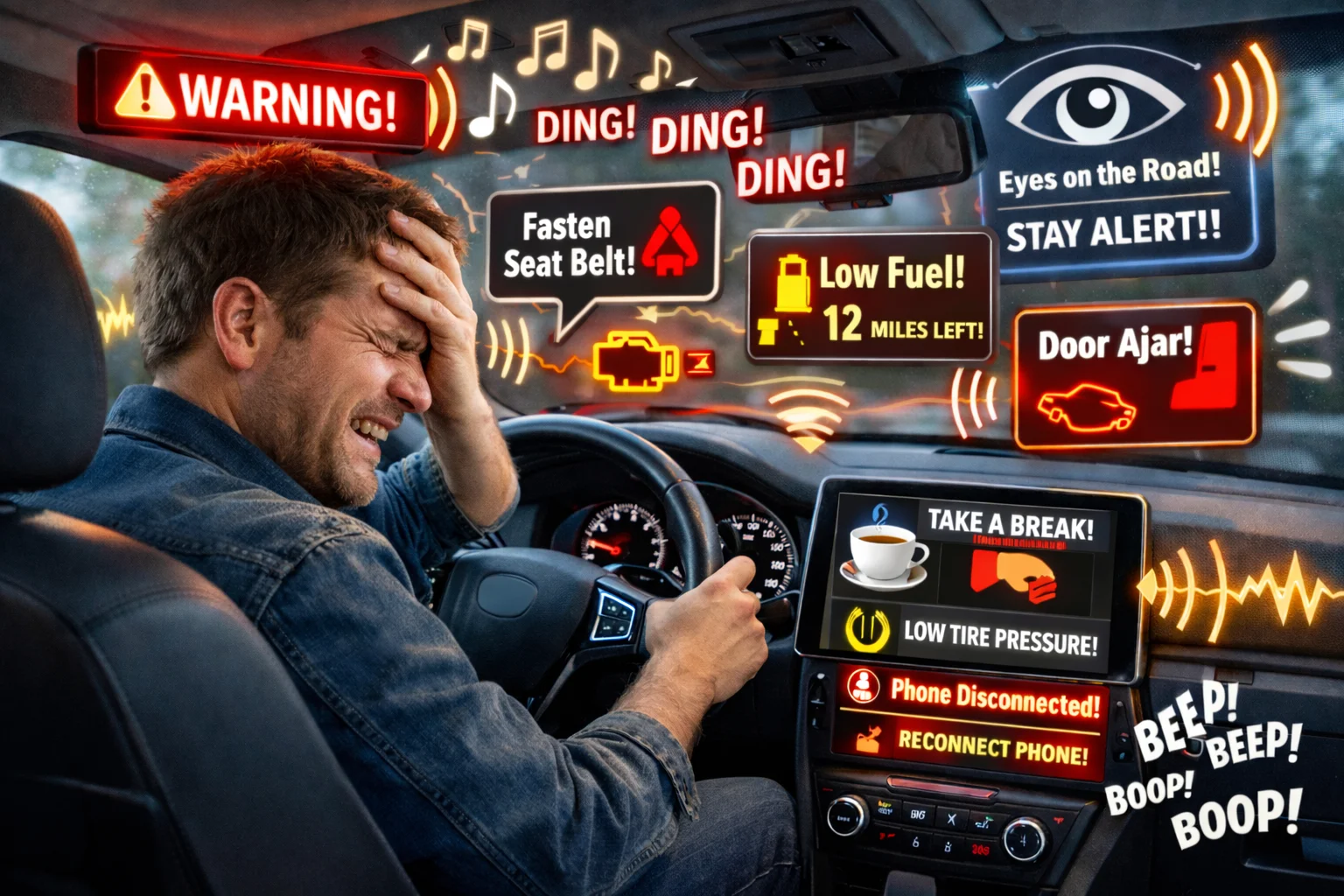
In 2006, the enemy was a relentless seatbelt chime.

The Least Annoying Cars of 2026: Who Still Respects the Driver

Twenty years later, the annoyances have multiplied: your car might nag you, charge you monthly for features already built into the hardware, sell your driving data to insurance companies, or bury the volume knob three menu levels deep. Here's who's doing it right across four categories that matter most to everyday owners.

Share

When Your Dashboard Won't Shut Up: The Most Annoying Chimes in 2006 Cars

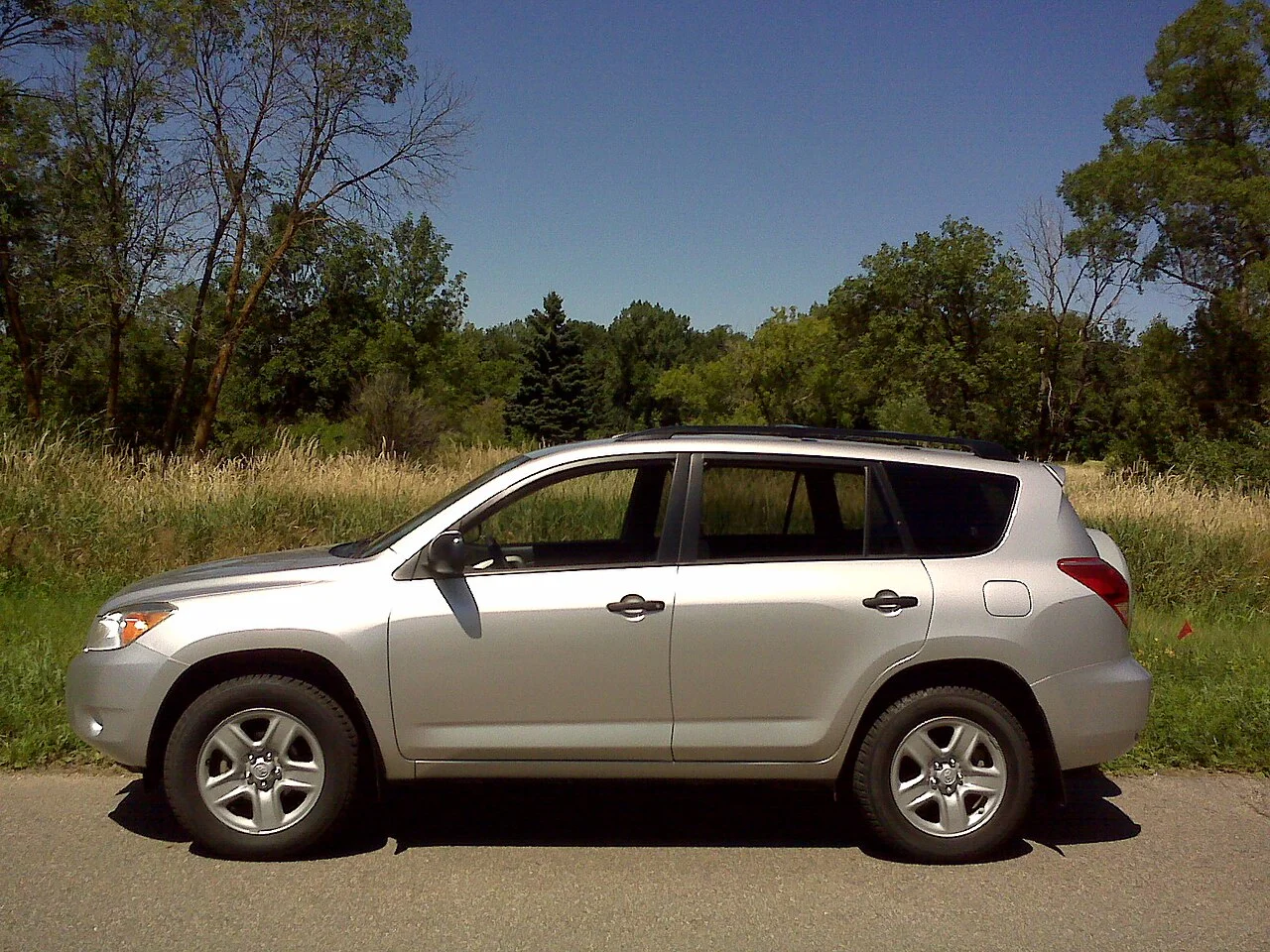
You hop into your 2006 daily driver, buckle up (or not), and the beeping starts. Or the door is closed but the chime insists it isn't. Or the maintenance light nags you for an oil change you just did. In the mid-2000s, electronic reminders were becoming more common as automakers added safety features and convenience systems. For many owners of 2006 model-year vehicles, those chimes crossed the line from helpful to infuriating.

When Your Dashboard Won't Shut Up: The Most Annoying Chimes in 2006 Cars

Here's a breakdown of the most commonly complained-about electronic nags from that era, based on owner forums, service bulletins, and discussions from the time. Note that "worst" is subjective — loudness, persistence, frequency, and difficulty disabling all played roles.

Share

What Dealers Won't Tell You About Car Subscriptions

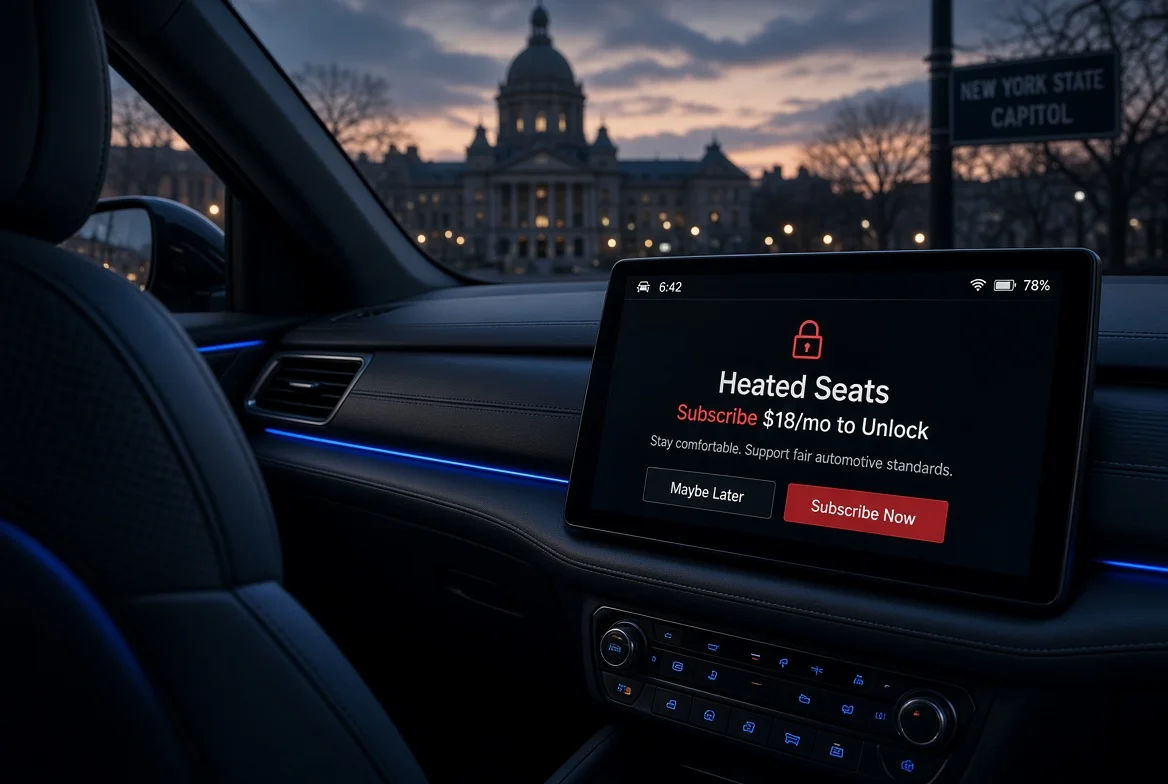
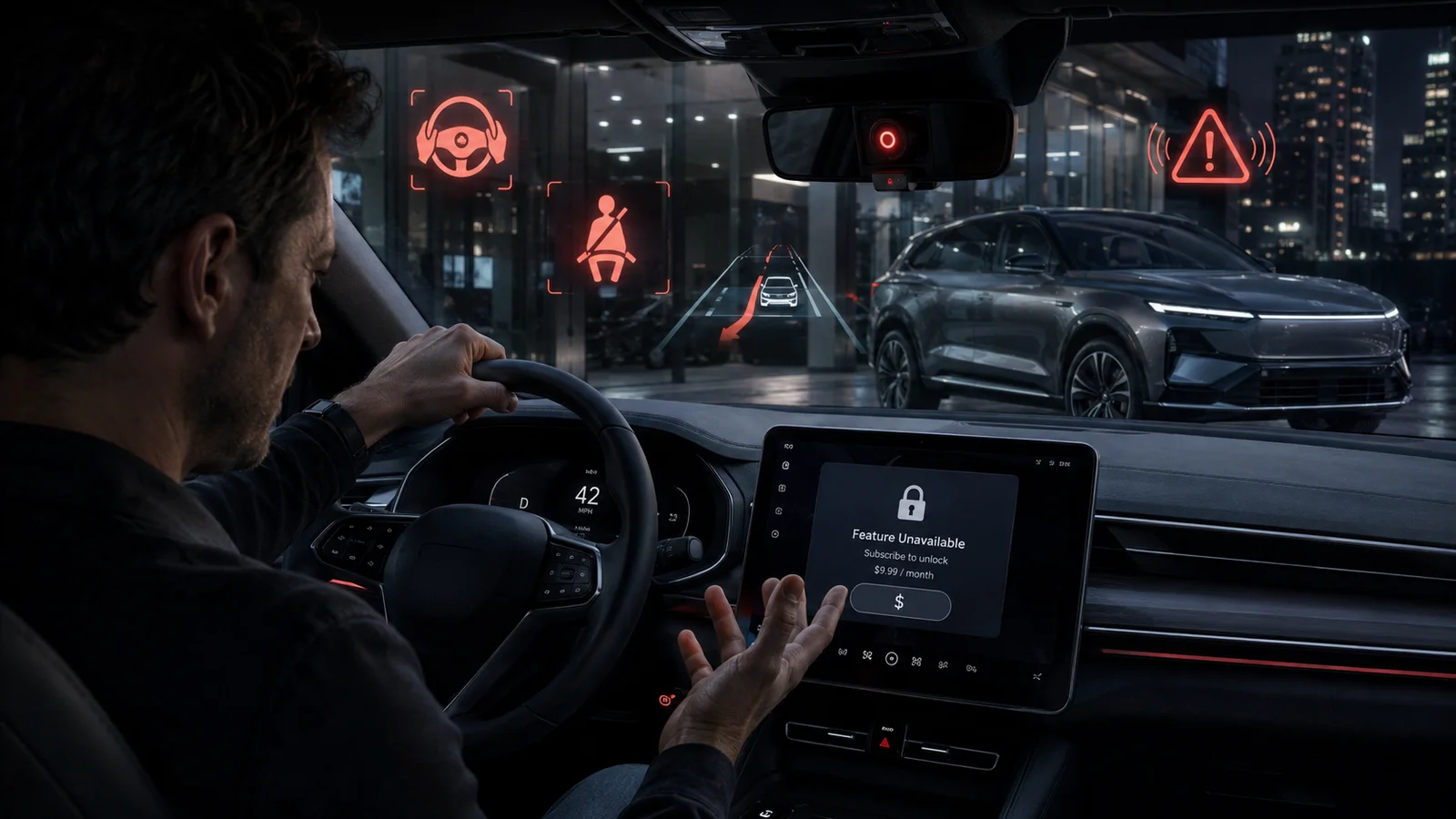
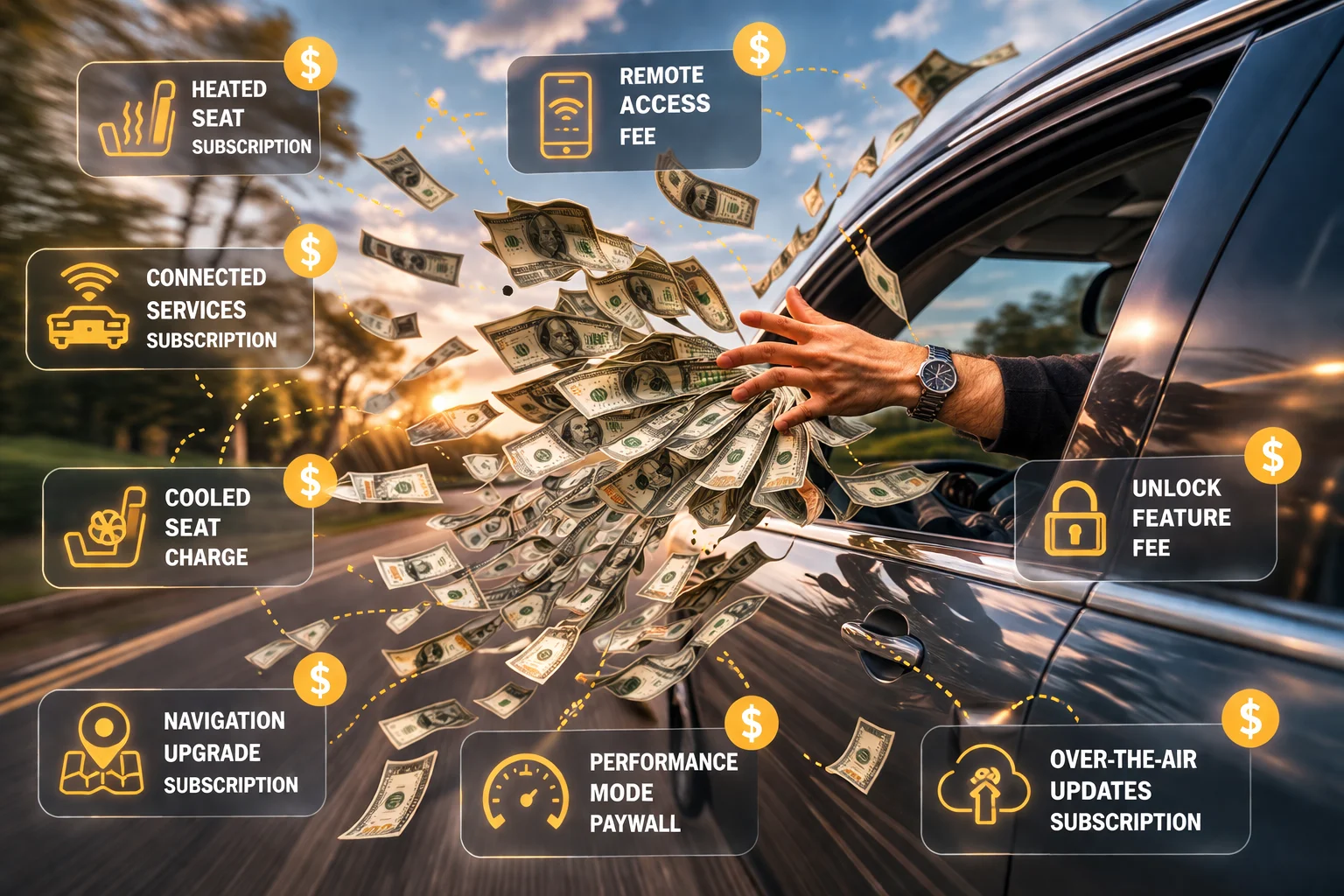
You drive off the lot in your shiny new car, feeling like you’ve bought the full package. Then winter hits, and your heated seats stay cold—unless you pay an extra monthly fee. Or you want hands-free highway driving, but it’s locked until you subscribe. Welcome to the era of software-defined vehicles, where the hardware is in the car, but many features require ongoing payments.

What Dealers Won't Tell You About Car Subscriptions

Automakers are shifting from one-time sales to recurring revenue streams. Features once included or bought outright are now available via monthly or annual subscriptions. This model exploded with connected cars and over-the-air (OTA) updates, allowing manufacturers to activate or deactivate functions remotely. While companies argue it offers flexibility and funds continued development, many buyers see it as nickel-and-diming for capabilities already built into the vehicle.

Share

What Happens In Vegas - Stays in a Thousand Databases

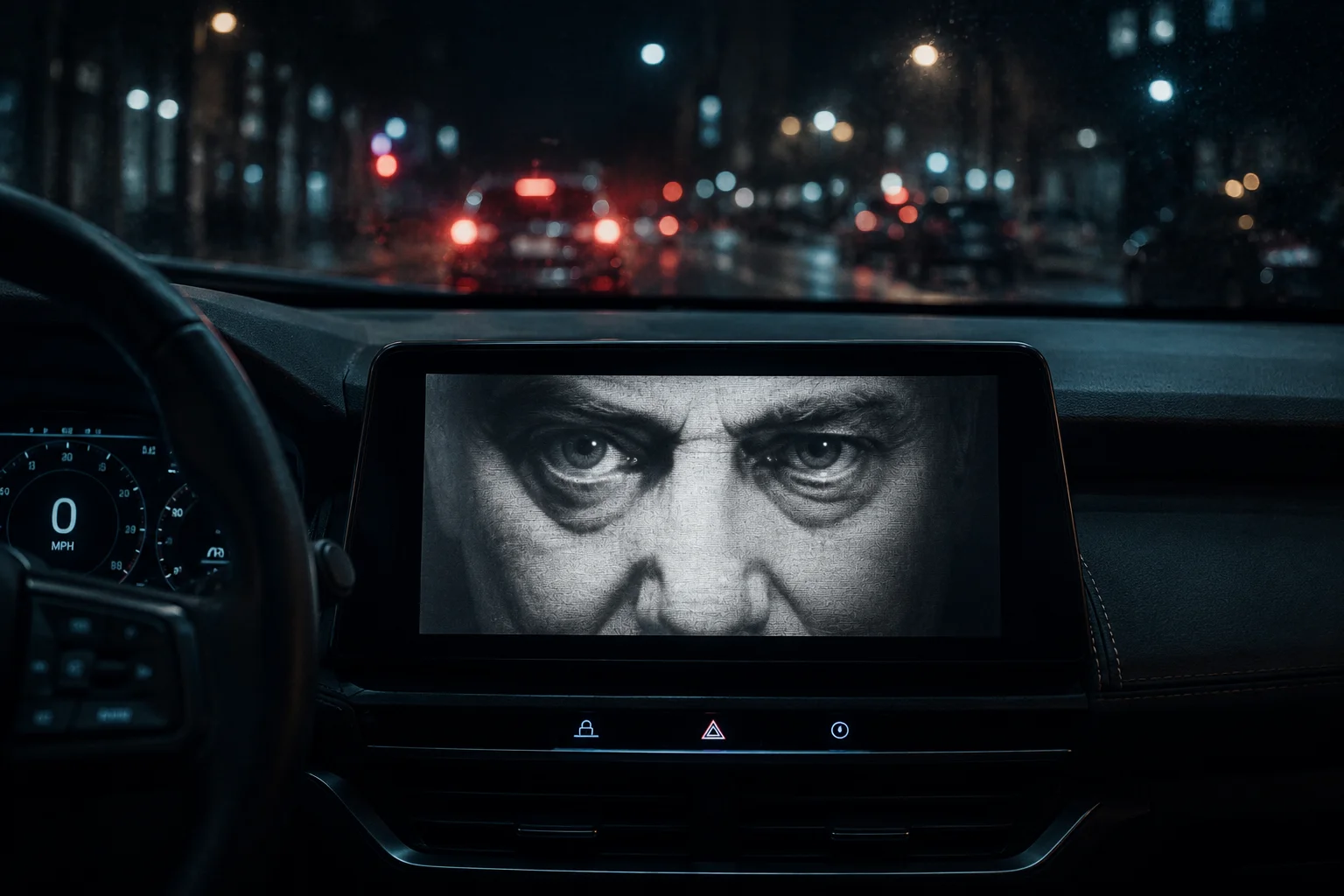
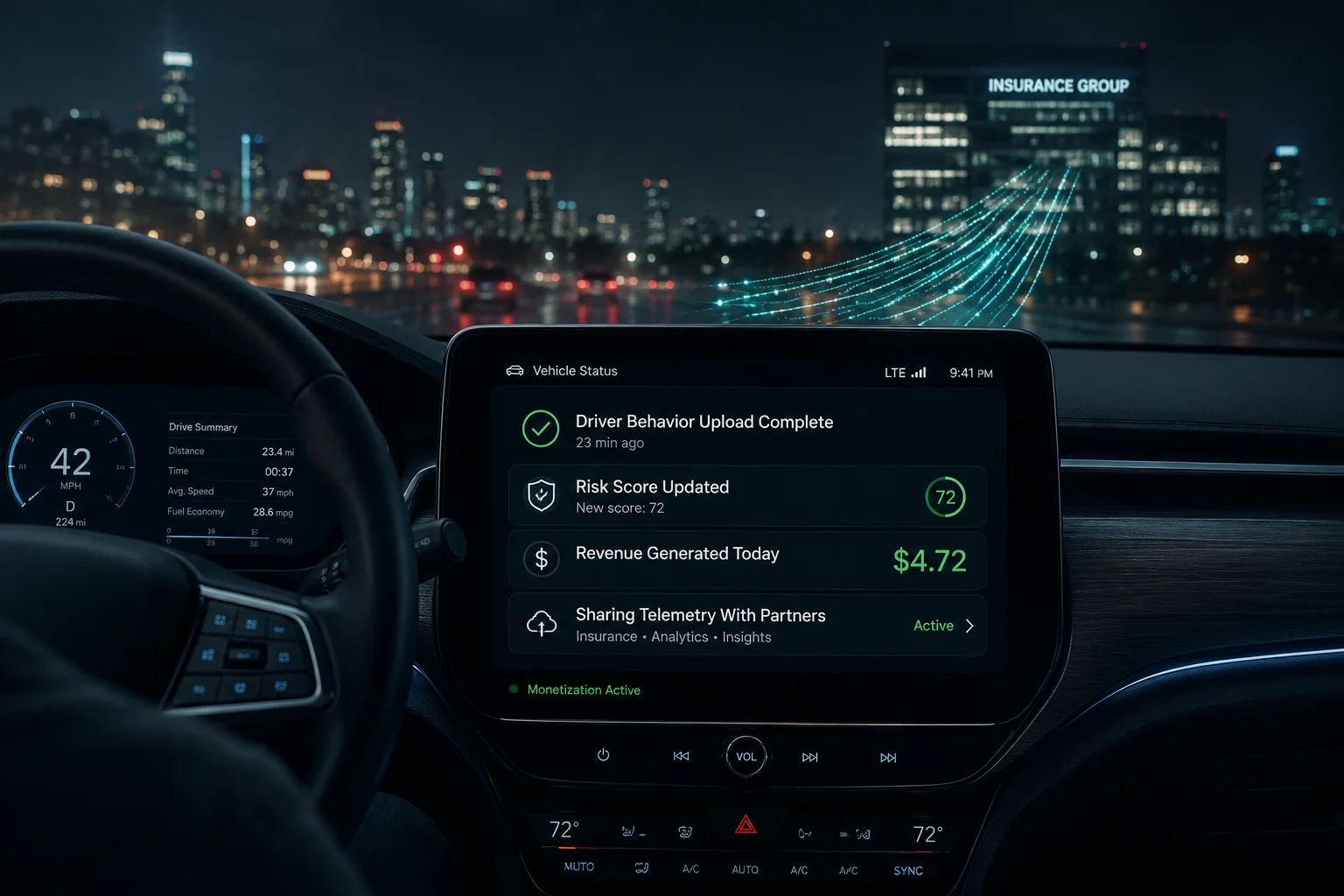
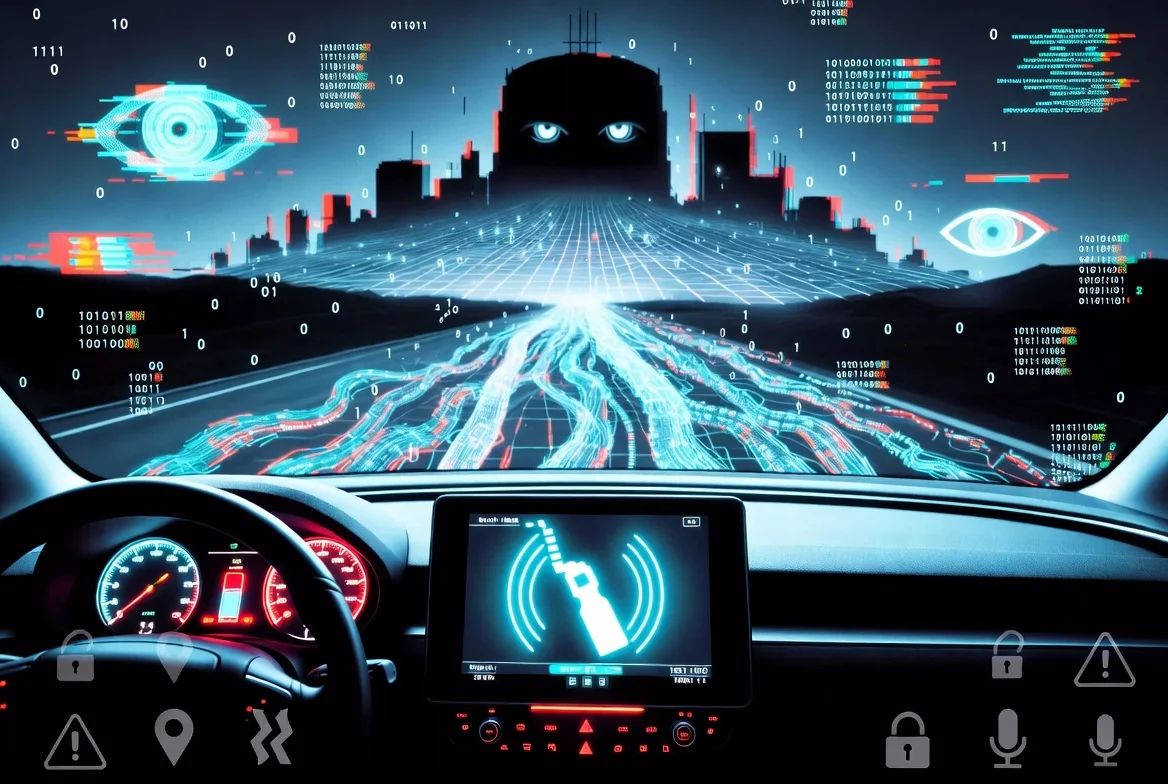
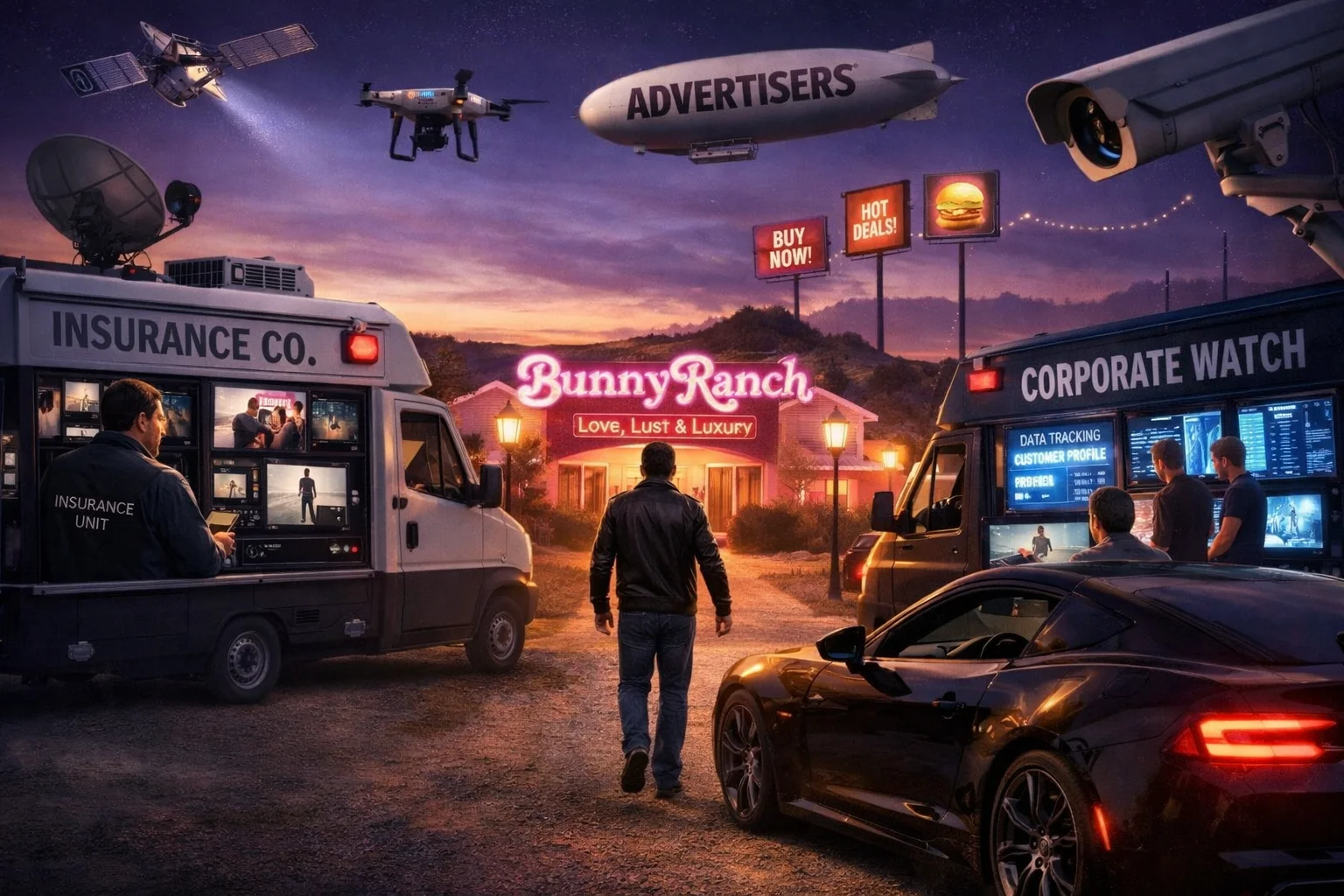
You take a spontaneous detour on a road trip—perhaps a late-night snack run, a quick errand at a discreet medical clinic, or a stop at a political rally or place of worship. In the old days, that little side trip stayed between you and the open road. Today, your connected car quietly logs the precise GPS coordinates, arrival time, and how long you lingered—then beams it straight to the automaker’s servers. What happens on the road no longer stays private. It ends up in databases sold to insurers, lenders, data brokers, and more.

What Happens In Vegas - Stays in a Thousand Databases

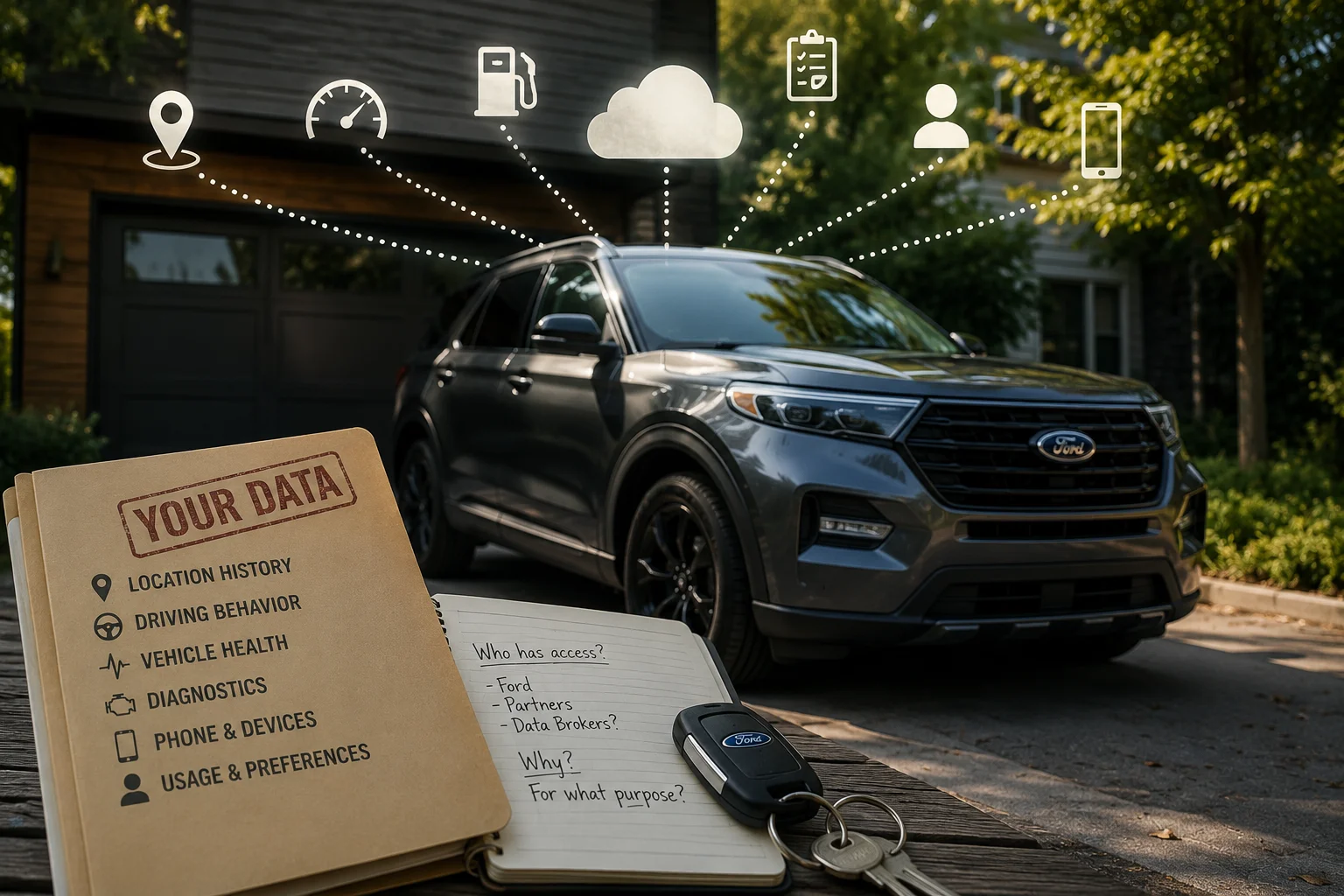
Modern vehicles function as sophisticated tracking devices. Since the early 2020s, nearly all new cars sold in the U.S. include telematics systems with GPS, accelerometers, and constant connectivity. These systems record not only speed, braking, and acceleration but also exact locations and timestamps. The data reveals deeply personal patterns: where you go, when, and for how long.

Share

Your Car Won't Start: How Vehicle Tracking Systems Can Brick Modern Vehicles

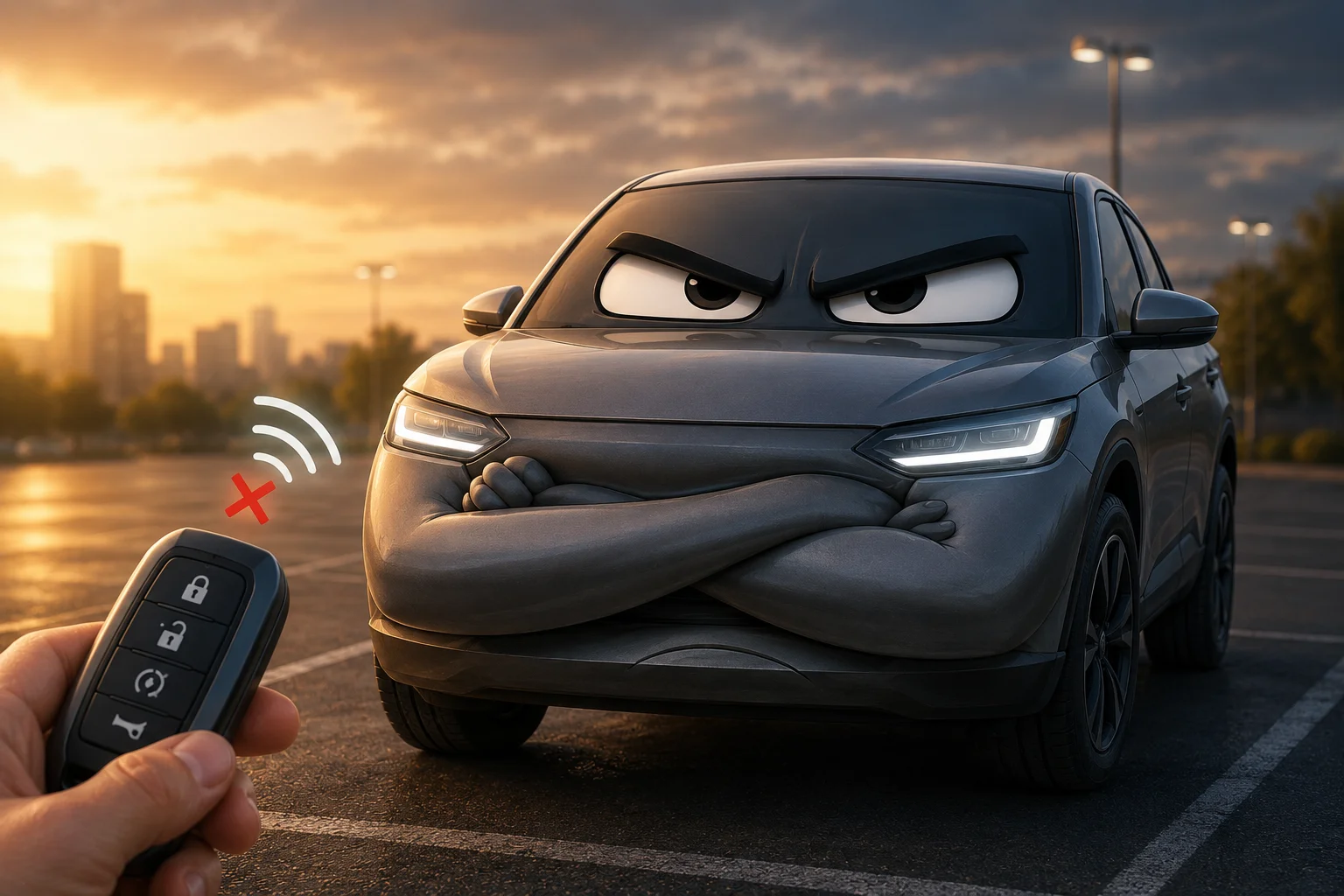
You slide into the driver’s seat, press the start button, and… nothing. No dashboard lights. No engine crank. Your luxury car has become an expensive paperweight. Not because of a mechanical failure or dead battery—but because its factory-installed tracking system lost contact with a satellite or server and decided the vehicle was being stolen.

Your Car Won't Start: How Vehicle Tracking Systems Can Brick Modern Vehicles

This exact scenario played out across Russia in late November 2025, when hundreds of Porsche owners woke up to immobilized cars. The culprit? Porsche’s Vehicle Tracking System (VTS), a satellite-linked anti-theft module standard on models built since 2013. When the VTS lost connectivity, it triggered the engine immobilizer, cutting fuel delivery and preventing the cars from starting. Dealerships reported a surge in identical complaints from Moscow to Krasnodar. Owners described vehicles that had been running fine suddenly refusing to respond.

Share