
2027 Cars: More of the Same Annoyances, With a Side of New Headaches?
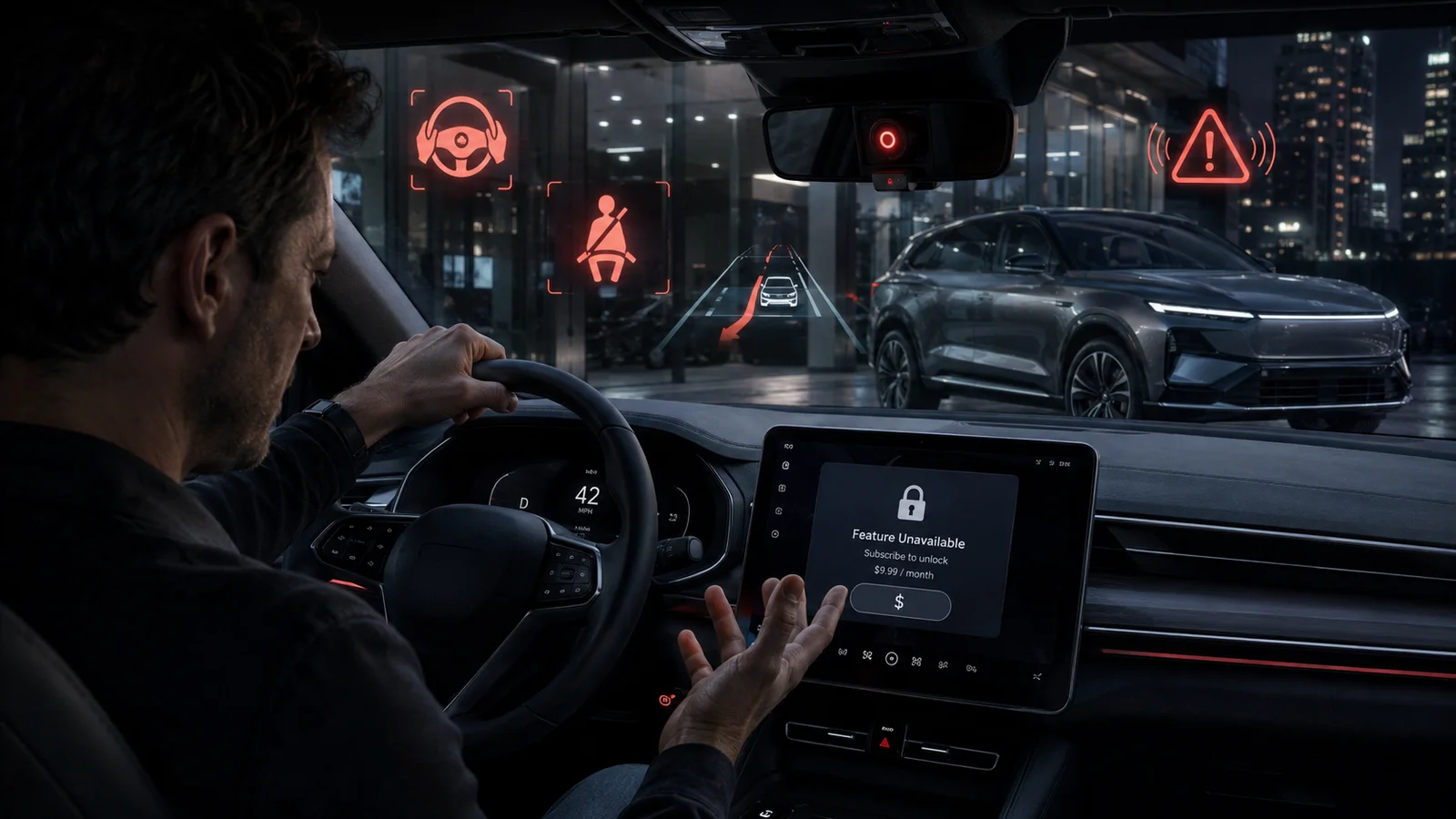
If you’ve been burned by 2026 models — endless subscription prompts, cameras watching your every move, and ADAS systems that treat you like a distracted teenager — you’re probably wondering whether next year’s cars will finally give us a break. Short answer: not really. While some 2027 models are already hitting dealer lots (yes, the all-new Kia Telluride has been on sale since March), the core frustrations that CarRemorse.com exists to document are alive and well. Here’s a directional look at what’s coming, based on early reviews, owner reports, and industry trends.
Subscriptions: The Paywall Keeps Growing
Automakers remain fully committed to turning your vehicle into a rolling subscription service. Expect the usual suspects — remote start, advanced navigation, Wi-Fi hotspots, and “premium” driver assists — to sit behind monthly or annual fees once any complimentary trials expire. BMW’s ConnectedDrive, Mercedes me connect, and GM’s OnStar ecosystem continue this pattern, with some brands projecting big subscription revenue in the coming years.
The 2027 redesigns don’t reverse course. Instead, they often add more features that feel essential but aren’t fully unlocked out of the box. This “car-as-service” model is only accelerating, and 2027 buyers should budget for ongoing costs beyond the sticker price. If you hated the nickel-and-diming in 2026 models, prepare for more of it.
Surveillance and Privacy: Big Brother Gets an Upgrade
This is perhaps the most concerning trend. Federal pushes for impaired-driving detection systems mean more interior cameras and sensors monitoring driver attention, eye movement, and behavior in 2027 models. The goal is safety (reducing drowsy or drunk driving crashes), but the reality for privacy-conscious drivers is a surveillance-heavy cabin that logs data and may even intervene if the car decides you’re not alert enough.
Connected services expand data collection for “personalized” features and telematics. Early feedback on new 2027 vehicles highlights always-on systems that raise the same self-censorship and loss-of-control worries we’ve covered with current models. If you value self-directed travel without your car phoning home about your habits, 2027 doesn’t look like relief — it looks like escalation.
Nagging ADAS and Driver Aids: Still Intrusive
Advanced driver assistance systems remain a mixed bag. The 2027 Kia Telluride, for instance, brings updated lane-keeping assist that some early owners describe as overly reactive or inconsistent — exactly the kind of digital nagging that frustrates daily drivers. Other 2027 redesigns (think refreshed full-size trucks like the Chevrolet Silverado 1500) incorporate more sophisticated adaptive cruise, automatic emergency braking, and steering interventions.
While some systems allow more customization than before, the default behavior leans toward constant corrections, chimes, and interventions. Seatbelt reminders and other basic nags persist across the industry. For highway commuters or anyone who just wants to drive without a backseat driver, 2027 models continue the trend rather than dialing it back.
Early Real-World Reports: The 2027 Telluride Example
As one of the first major 2027 vehicles widely available, the redesigned Telluride offers a preview. It’s a popular three-row family hauler with fresh styling, updated tech, and available hybrid power. But owners are already reporting issues that will feel familiar:
Battery drain tied to digital key and door handle sensors
Power rear seat sensor glitches
Random horn activations
Noisy engines in some trims
Fit-and-finish quirks (scraping windows, broken trim pieces)
Reliability predictions for the 2027 Telluride sit below average, with a couple of early recalls noted. Hybrid variants add their own variables, with some buyers expressing quick regrets in early ownership videos. These are typical first-year teething problems for a full redesign, but they underscore that shiny new bodywork doesn’t magically eliminate annoyances.
Other upcoming 2027 entries — such as the BMW X5 refresh and GMC Sierra updates — follow similar patterns: impressive on paper with bigger screens and more power, but carrying forward the connected-car baggage.
The Verdict: Slightly Worse, Not Better
Directionally, 2027 doesn’t represent a consumer win on the issues that matter most to CarRemorse readers. Subscriptions and data collection are intensifying, surveillance features are expanding under regulatory cover, and ADAS nagging evolves rather than disappears. Build quality and reliability hiccups in early examples like the Telluride add to the pile.
That said, there may be incremental bright spots — slightly better configurability in some systems or refined ride quality in certain trims. But if your 2026 shopping experience left you frustrated, waiting for 2027 probably won’t solve it. The industry momentum is toward more connectivity, more monetization, and more oversight — not less.
We’ll continue expanding coverage on CarRemorse.com as more 2027 inventory rolls out and real owner data comes in. If you’ve already driven or purchased a 2027 model, drop your experiences in the comments or submit them via the site. The more we document these annoyances together, the better equipped buyers will be to push back — or choose their battles wisely.
All Access Pass
Know what you're buying before you sign
Full annoyance reports for every vehicle — subscription traps, privacy issues, forced nags, and the stuff dealers won't mention.
- Detailed reports for all vehicles in our database
- Side-by-side comparisons across up to 4 vehicles
- Premium articles and analysis
- No auto-renewal — one payment, 3 months of access
Related Articles
Your Next Car Is a Computer. Washington Just Decided Whose Computer Counts.
If you have shopped for a new car in the last year, you have already met the issue, even if nobody used the words “Connected Vehicle Rule.” The salesman talked about the app that starts the car from the grocery lot, the subscription that keeps the maps fresh, the hands-free highway system that wants a camera on your eyes. All of that travels over a modem. That modem is why Polestar is leaving the U.S. market after the 2026 model year, why Volvo got a pass from the same parent company, and why Ford and GM are in a quieter fight with their own customers over insurance data.
Is Help on the Way for Car Feature Subscriptions?
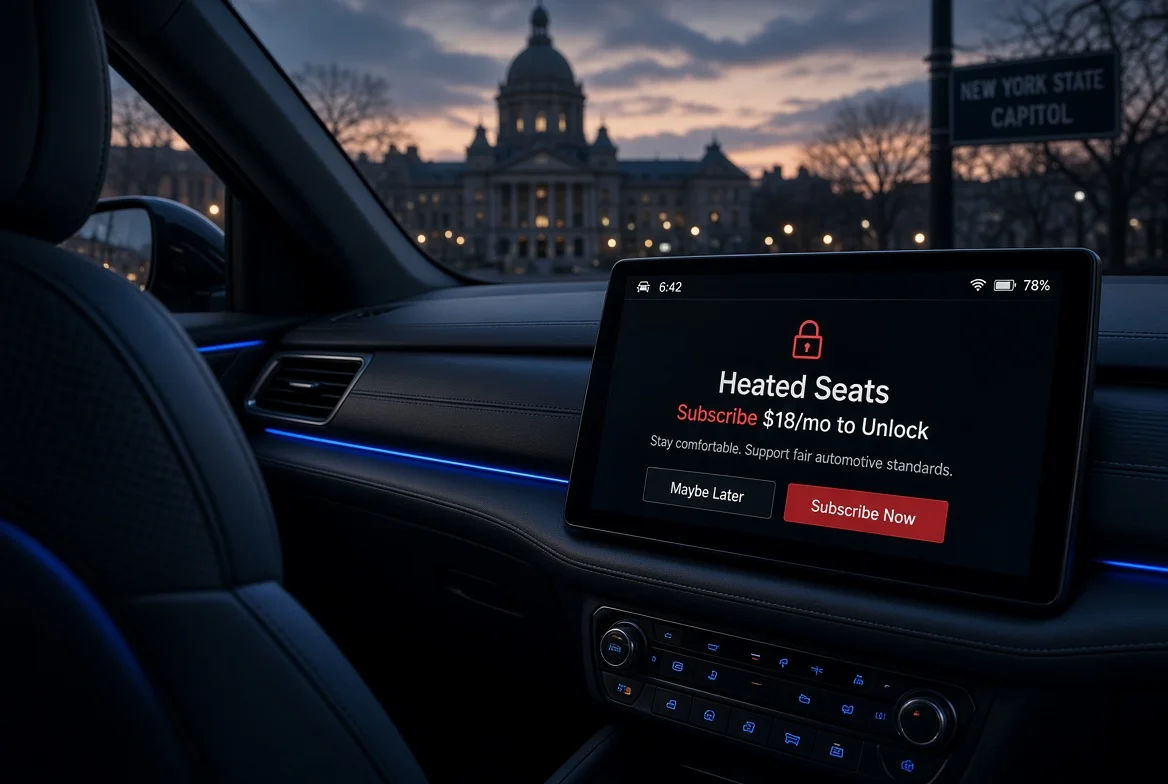
Last year, New York came closer than any other state to drawing a hard line against one of the most straightforward post-purchase annoyances in modern cars: charging recurring fees for hardware already installed at the factory.
If You Care About Privacy and Subscriptions, Prepare to Get Under the Dash
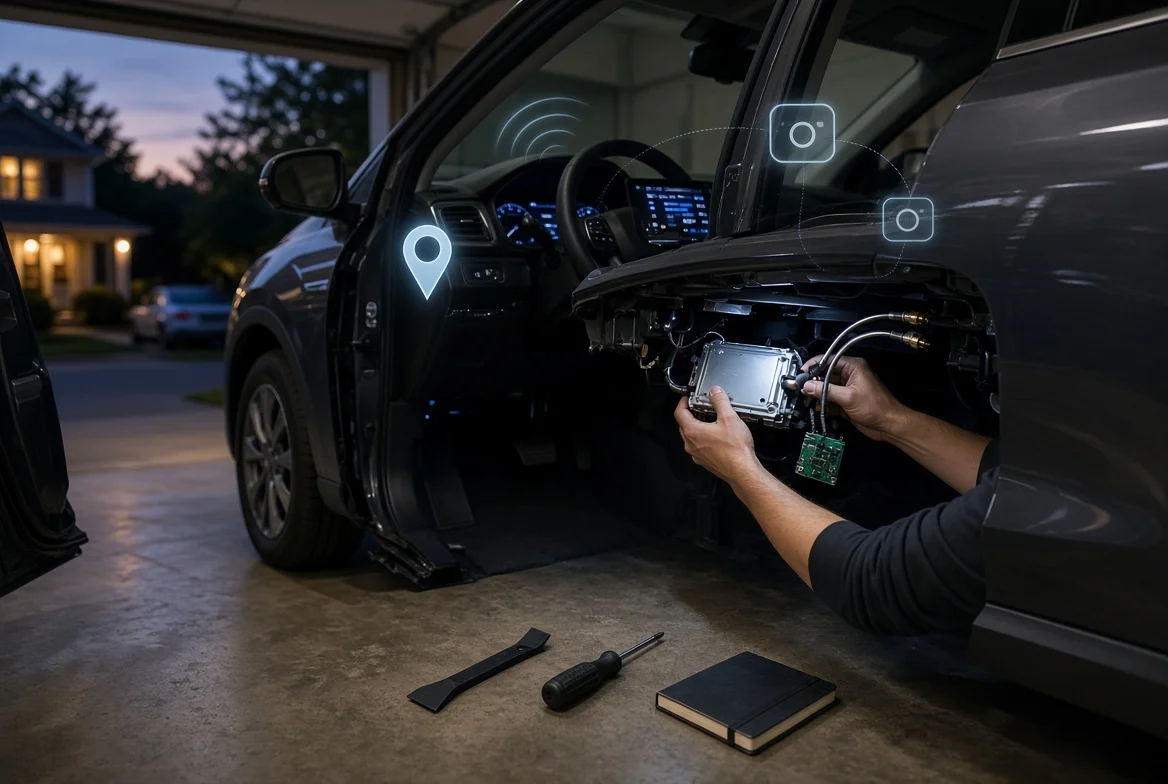
Modern cars come loaded with features that used to be free or optional and are now locked behind monthly fees, always-on data collection, and systems that can’t easily be turned off. Location tracking, driving-behavior data, cabin cameras, and microphones are common. Heated seats, remote start, advanced driver-assistance functions, and even basic navigation can require ongoing subscriptions.