Can You Really Stop Your Ford From Tracking You?
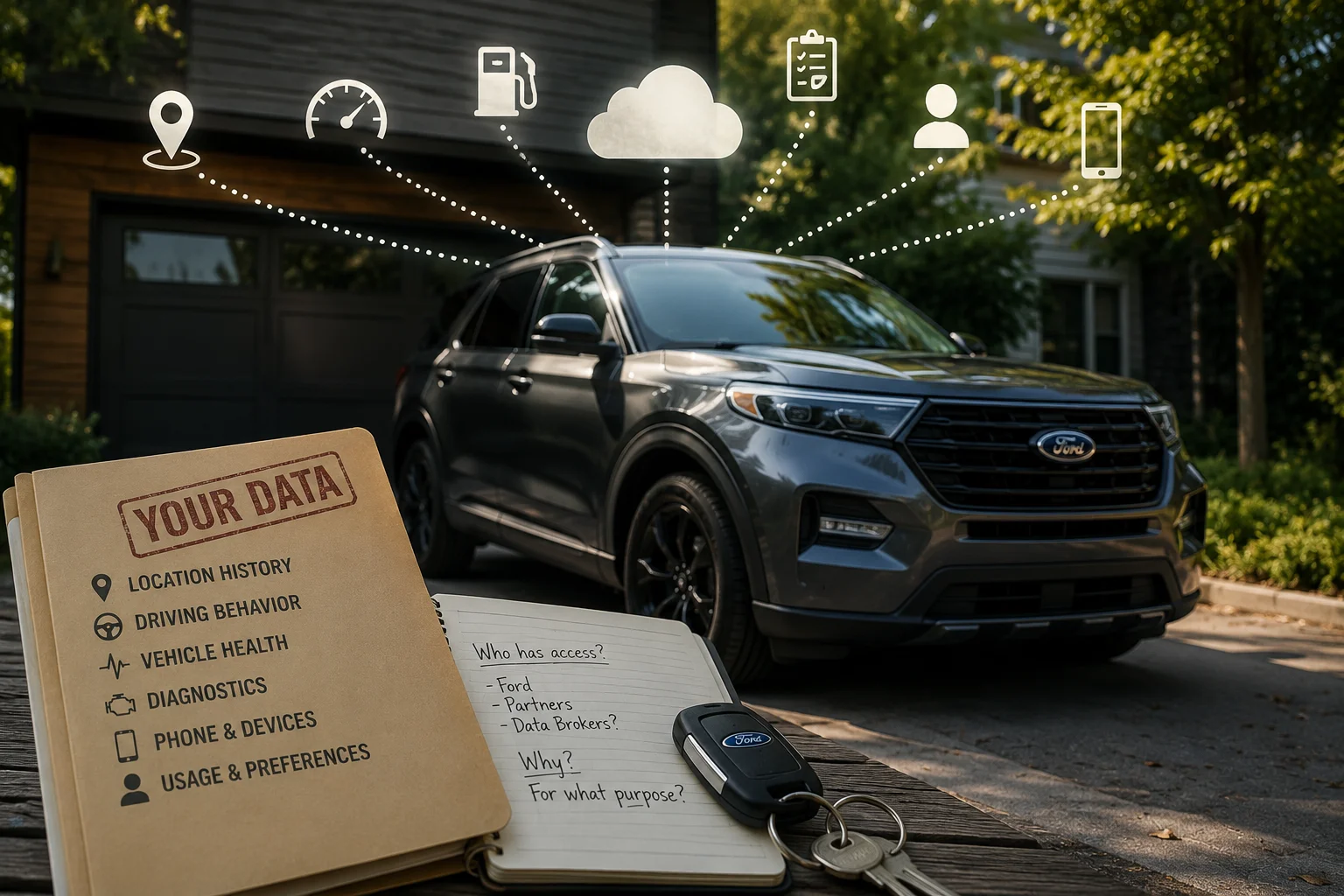
Modern Fords are computers on wheels. They know where you've been, how you've driven, when you brake hard, what warnings have appeared on the dashboard and, if you use connected services, information about your phone and how you interact with the vehicle.
Most buyers happily trade that information for conveniences like remote start, vehicle health reports, over-the-air updates and smartphone integration. Others aren't so comfortable. They'd simply prefer that their car not report back to the manufacturer every time it's driven.
That raises an obvious question: Can you actually stop your Ford from tracking you?
The short answer is yes, to a large extent, but not without tradeoffs.
What Information Does Ford Collect?
The exact data depends on the model year, equipment and whether you've enabled connected services, but Ford's own privacy documentation describes collecting information that may include:
Vehicle location and trip information
Vehicle speed, acceleration, braking, steering and other driving behavior
Diagnostic and maintenance information
Vehicle health and fault codes
Connected device information
Voice commands and infotainment usage
Information needed to provide connected services such as FordPass
Ford says this information is used to provide connected features, improve products, diagnose problems, develop new services and operate its connected vehicle ecosystem.
For many owners, that's perfectly reasonable. For others, the concern isn't necessarily what Ford is doing today. It's the simple fact that so much detailed information exists in the first place. Location history can reveal where you live, work, worship, shop or receive medical care. Driving behavior can paint a surprisingly detailed picture of your habits. Even if you trust today's policies, privacy-conscious owners often wonder how those policies might evolve over the next decade.
The controversy surrounding other automakers' sharing of driving behavior with insurance-related programs has made consumers much more aware of how valuable vehicle data has become. While Ford's policies differ and participation in usage-based insurance programs generally requires an opt-in, many buyers now ask a broader question: How much data does my car really need to collect?
What Owners Are Doing
Ford owners who value privacy generally take one of four approaches, depending on how much convenience they're willing to give up.
1. Skip FordPass
The simplest option is never activating FordPass or other connected services in the first place. Doing so eliminates many cloud-based features while also reducing the amount of information transmitted through Ford's connected vehicle platform. For owners who don't care about remote start from their phone or checking fuel level from the couch, this may be enough.
2. Turn Off Data Sharing in the Vehicle
Many Ford models include privacy and connectivity settings within the SYNC system. Depending on the model year, owners may be able to disable various data-sharing or connectivity options directly through the infotainment menus. The available settings vary by vehicle, which makes checking the owner's manual worthwhile. It's not always a single "Stop Tracking" switch, but many owners are surprised to find there are more privacy controls than they expected.
3. Decline Optional Connected Features
When setting up a new vehicle, it's easy to click "Accept" through every screen. Privacy-minded owners recommend slowing down. Read each consent screen. If a connected feature isn't important to you, don't enable it simply because the dealer suggested it during delivery. Once enabled, it's easy to forget which services are actually using your data.
4. Disconnect the Telematics Module
This is where things become more serious. Some owners physically disconnect the vehicle's cellular modem or remove the fuse supplying power to the telematics unit. The goal is straightforward: if the modem can't connect to the cellular network, it can't upload vehicle data.
This approach appears to be effective for disabling many connected services, but it comes with significant tradeoffs. Remote features stop working, automatic crash notification may no longer function, and over-the-air software updates can be lost. Depending on the vehicle, other connected capabilities may disappear as well. It's also worth remembering that Ford does not support this modification, and procedures vary by model year.
Can You Eliminate Tracking Completely?
Probably not, and anyone claiming otherwise is overselling it.
Modern vehicles are extraordinarily complex. Different systems record different types of information, and much of that information exists simply because the car needs it to operate. The more realistic goal isn't making the vehicle invisible. It's reducing unnecessary data sharing while keeping the features you actually value.
For many owners, simply declining connected services and reviewing the vehicle's privacy settings provides the right balance. For others, disconnecting the telematics hardware is worth losing a few conveniences.
The important thing is knowing you have a choice.
Most buyers spend hours comparing horsepower, fuel economy and cargo space before purchasing a vehicle. Very few spend even five minutes understanding what information that vehicle may collect, or what options they have to limit it. That may be one of the most important features to research before signing the paperwork.
All Access Pass
Know what you're buying before you sign
Full annoyance reports for every vehicle — subscription traps, privacy issues, forced nags, and the stuff dealers won't mention.
- Detailed reports for all vehicles in our database
- Side-by-side comparisons across up to 4 vehicles
- Premium articles and analysis
- No auto-renewal — one payment, 3 months of access
Related Vehicle
2026 Ford Explorer
Related Articles
Your Next Car Is a Computer. Washington Just Decided Whose Computer Counts.
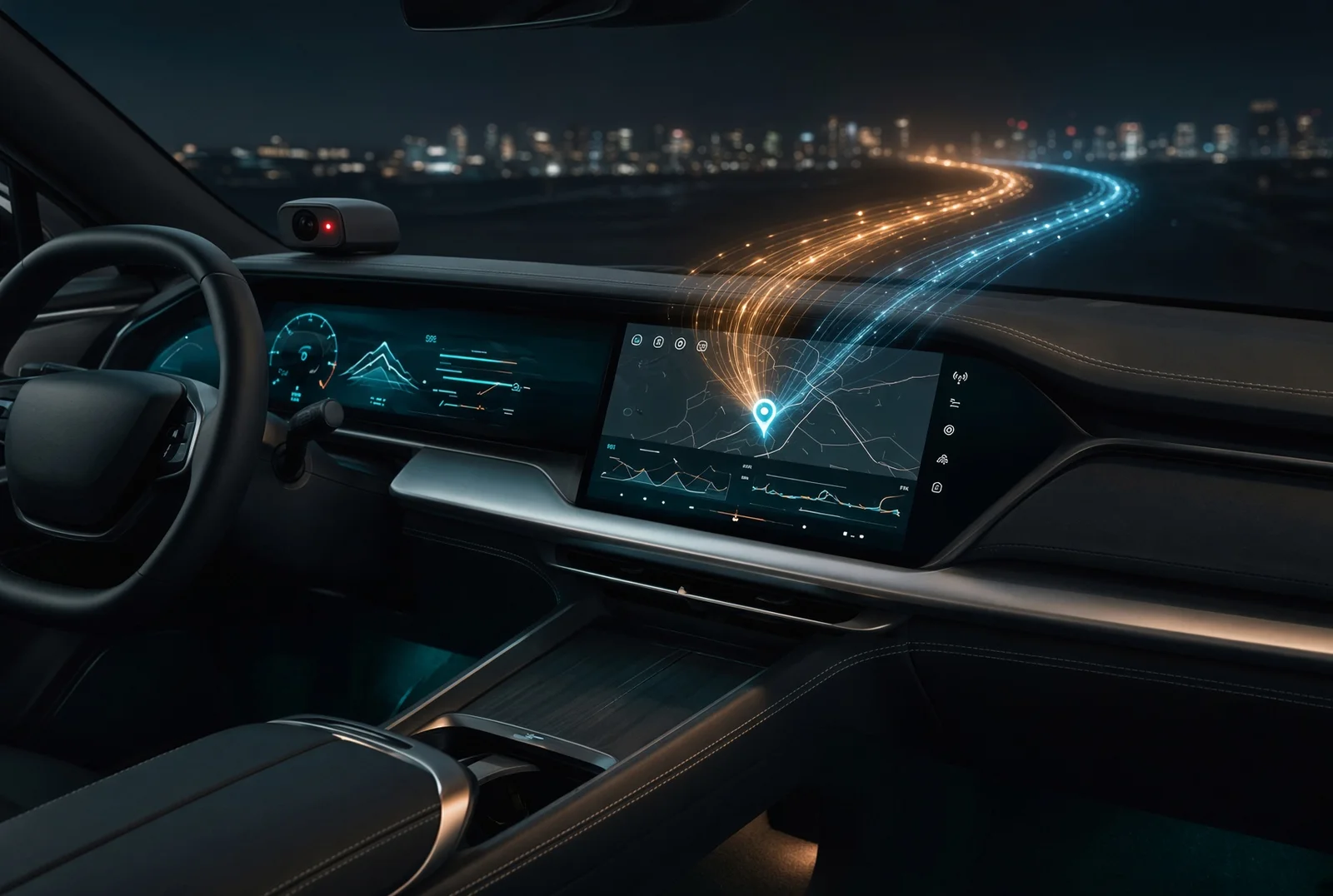
If you have shopped for a new car in the last year, you have already met the issue, even if nobody used the words “Connected Vehicle Rule.” The salesman talked about the app that starts the car from the grocery lot, the subscription that keeps the maps fresh, the hands-free highway system that wants a camera on your eyes. All of that travels over a modem. That modem is why Polestar is leaving the U.S. market after the 2026 model year, why Volvo got a pass from the same parent company, and why Ford and GM are in a quieter fight with their own customers over insurance data.
Is Help on the Way for Car Feature Subscriptions?
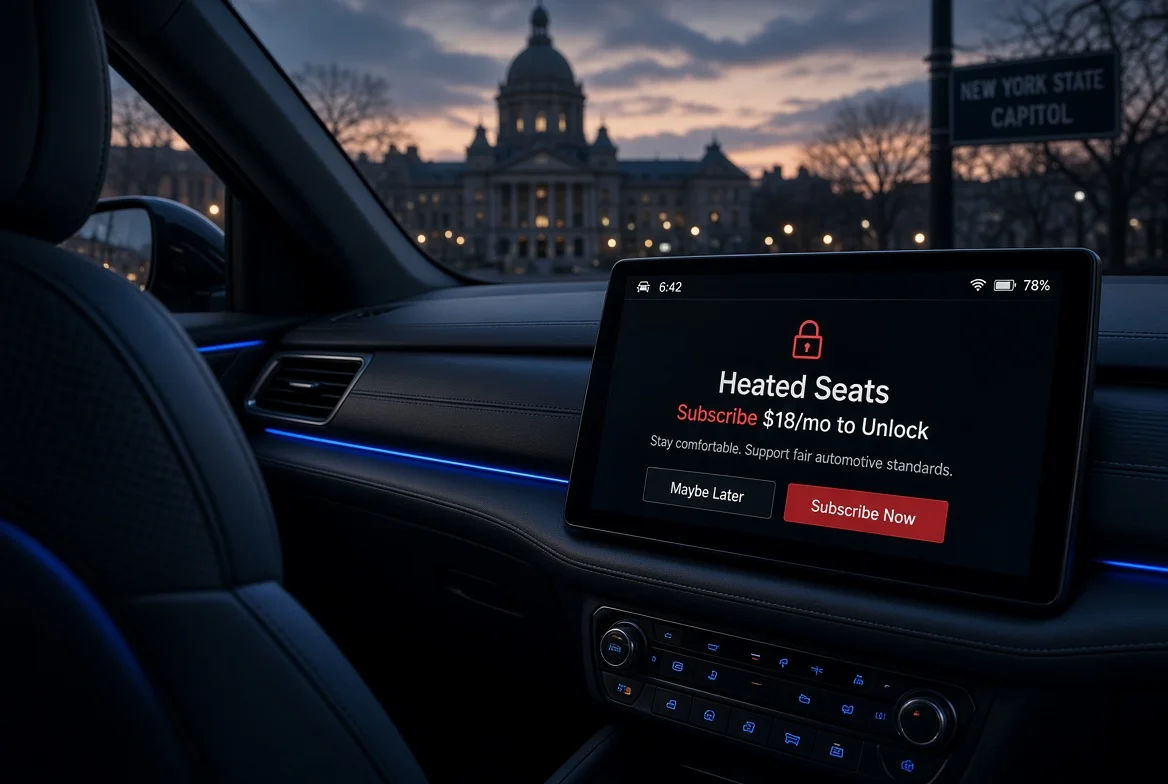
Last year, New York came closer than any other state to drawing a hard line against one of the most straightforward post-purchase annoyances in modern cars: charging recurring fees for hardware already installed at the factory.
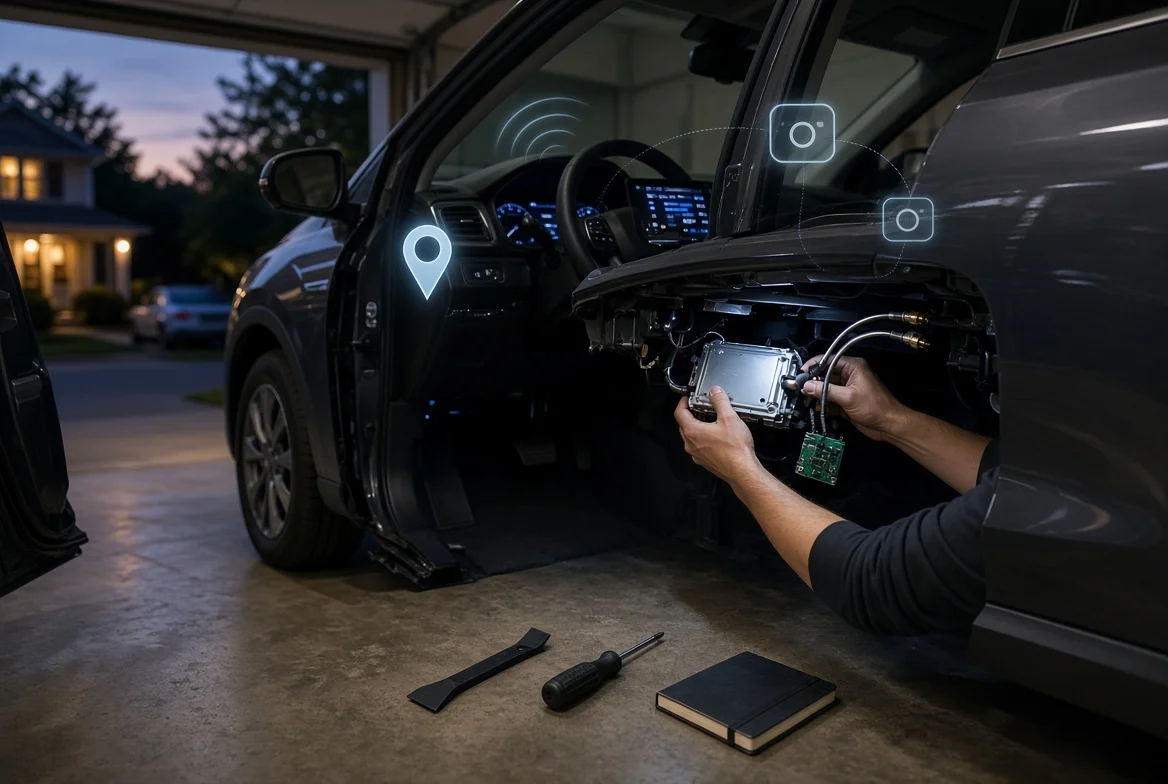
If You Care About Privacy and Subscriptions, Prepare to Get Under the Dash
Modern cars come loaded with features that used to be free or optional and are now locked behind monthly fees, always-on data collection, and systems that can’t easily be turned off. Location tracking, driving-behavior data, cabin cameras, and microphones are common. Heated seats, remote start, advanced driver-assistance functions, and even basic navigation can require ongoing subscriptions.