
Gradually Then Suddenly
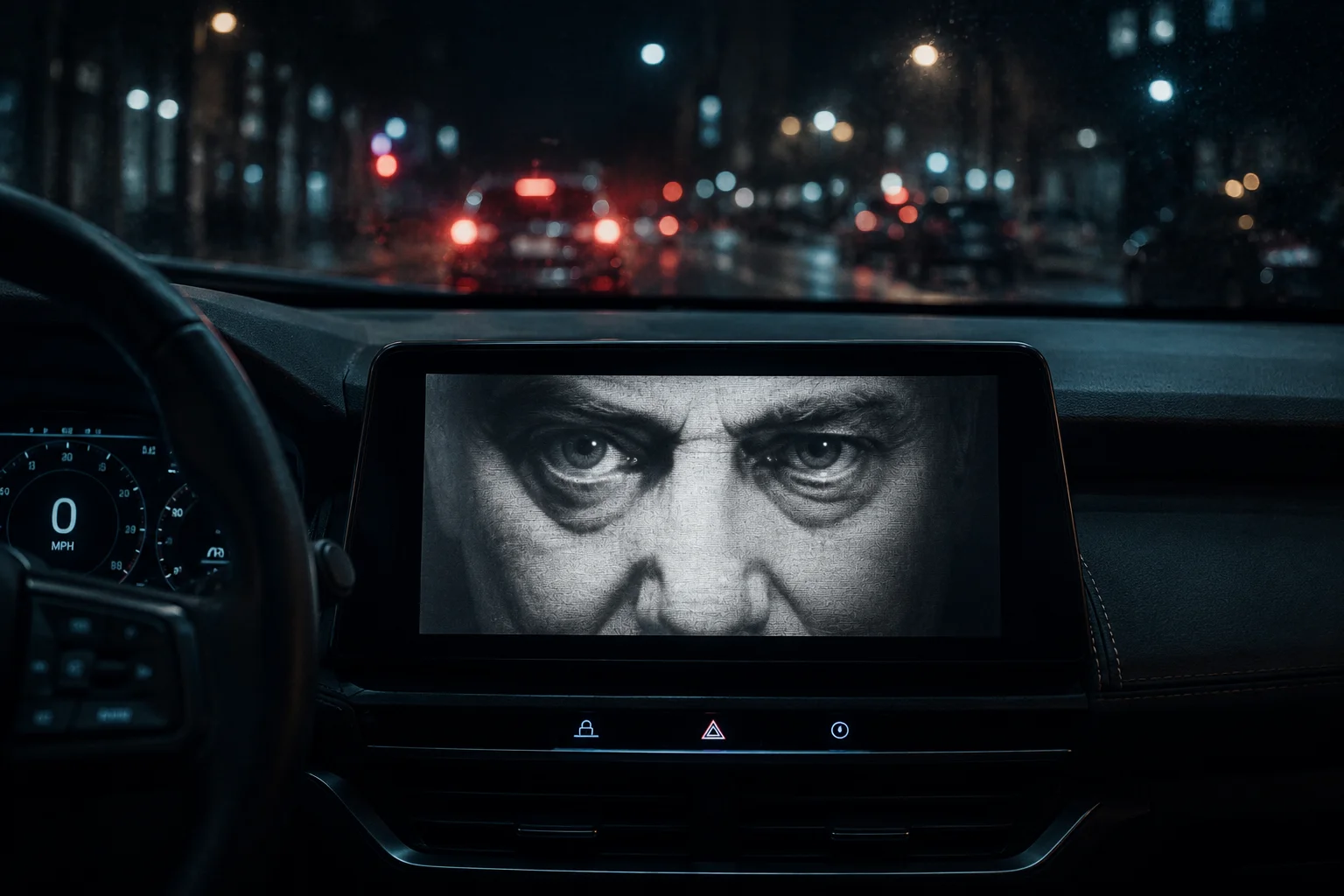
In The Sun Also Rises, someone asks a bankrupt man how he lost his money. "Two ways," he says. "Gradually, then suddenly." That is how most things go that we assume will always be there. The decline is slow enough that no single step seems worth resisting, and then one day the thing is simply gone and you can't get it back.
We have been losing our privacy that way for thirty years. We are close to the "suddenly."
The early trades felt like nothing. A supermarket loyalty card logged your groceries in exchange for a few cents off. An online store kept an account that remembered what you'd browsed. Then the phone arrived, and the handover became constant: location for directions, the microphone and camera for apps that needed them, always-on connection as the price of keeping up. Social media asked for the rest — your photos, your opinions, the names of everyone you knew — and paid you in attention. None of it felt like surrender. Every step bought something genuine, and the cost stayed out of sight.
The cost showed up later. Advertising started guessing what you wanted before you'd said it. Brokers assembled profiles that quietly shaped your credit offers, your insurance rates, your odds in a stack of job applications. People learned to watch what they posted, because a bad ten seconds could follow them for years. Bit by bit, the unwatched parts of life got smaller.
For a long time the car was an exception. Driving was one of the last things you could do without anyone knowing where you went or why. You chose the route, the stops, the detours, and you owed no explanation to anyone. It was an ordinary kind of freedom, and it was real.
That is ending. In 2023 the Mozilla Foundation reviewed the privacy practices of 25 car brands and called cars the worst product category it had ever examined. Every brand failed. New vehicles routinely send location, speed, and braking and steering data back to the manufacturer in real time. The same features that justify all the hardware (emergency braking, navigation, over-the-air updates) are also the collection points. Cabin cameras and microphones, justified to the public as safety features that watch for distraction or impairment, are becoming standard whether buyers want them or not.
This is not a hypothetical. A 2024 New York Times investigation found that General Motors had been collecting detailed driving data through its OnStar Smart Driver feature (hard braking, speed, location) and selling it to brokers like LexisNexis, who passed it to insurers, who raised people's premiums. The FTC later said GM had logged some drivers' data as often as every three seconds. Texas sued over technology installed in roughly 14 million vehicles. The data your car produces gets sold, hacked, or subpoenaed, and you are usually the last to know which.
It would be dishonest to pretend none of it helps. Automatic braking prevents real crashes. Careful drivers can earn lower premiums by sharing their data. Plenty of people are glad to have a car that parks itself. The trouble is that the useful version and the surveillance version ship in the same vehicle, and you don't get to keep one without the other.
But the deepest cost isn't the data. It's what knowing about it does to you. Once you understand that your car records everywhere you go, you start editing where you go. You skip the meeting you'd rather no one connect you to. You think twice before driving to a clinic, a lawyer, a friend in a part of town that might look bad in a file someday. Nobody has to misuse the information. Knowing it exists is enough. That quiet self-editing, shaping your life around a watcher who may never even look, is the real prize for any system of surveillance. It changes how free you are long before anyone opens the record.
This is the turning point, and it's worth being exact about why. The full nightmare — a car that caps your speed, refuses a destination, reports you on its own — is not standard yet. But the parts are already bolted in. The cameras, the sensors, the always-on link: installed, shipping, paid for. What's left is a software setting and a policy, and neither one needs your permission. That is the "suddenly." Not an event, but a line we crossed without a vote, the moment the switch was built and only the decision to throw it was missing.
The man in the novel had no second act. We might. The loss isn't finished, which is the only reason it can still be argued with: through laws that limit what a car is allowed to collect and sell, a real right to opt out, support for the regulators who have started to push, and a plain willingness to treat all this collection as something to refuse rather than accept. Older cars will look better every year. None of it is guaranteed to work. But that is the difference between gradually and suddenly. While it's still gradual, you can do something. We are nearly out of gradual.
All Access Pass
Know what you're buying before you sign
Full annoyance reports for every vehicle — subscription traps, privacy issues, forced nags, and the stuff dealers won't mention.
- Detailed reports for all vehicles in our database
- Side-by-side comparisons across up to 4 vehicles
- Premium articles and analysis
- No auto-renewal — one payment, 3 months of access
Related Vehicle
2026 Chevrolet Equinox
Related Articles
Your Next Car Is a Computer. Washington Just Decided Whose Computer Counts.
If you have shopped for a new car in the last year, you have already met the issue, even if nobody used the words “Connected Vehicle Rule.” The salesman talked about the app that starts the car from the grocery lot, the subscription that keeps the maps fresh, the hands-free highway system that wants a camera on your eyes. All of that travels over a modem. That modem is why Polestar is leaving the U.S. market after the 2026 model year, why Volvo got a pass from the same parent company, and why Ford and GM are in a quieter fight with their own customers over insurance data.
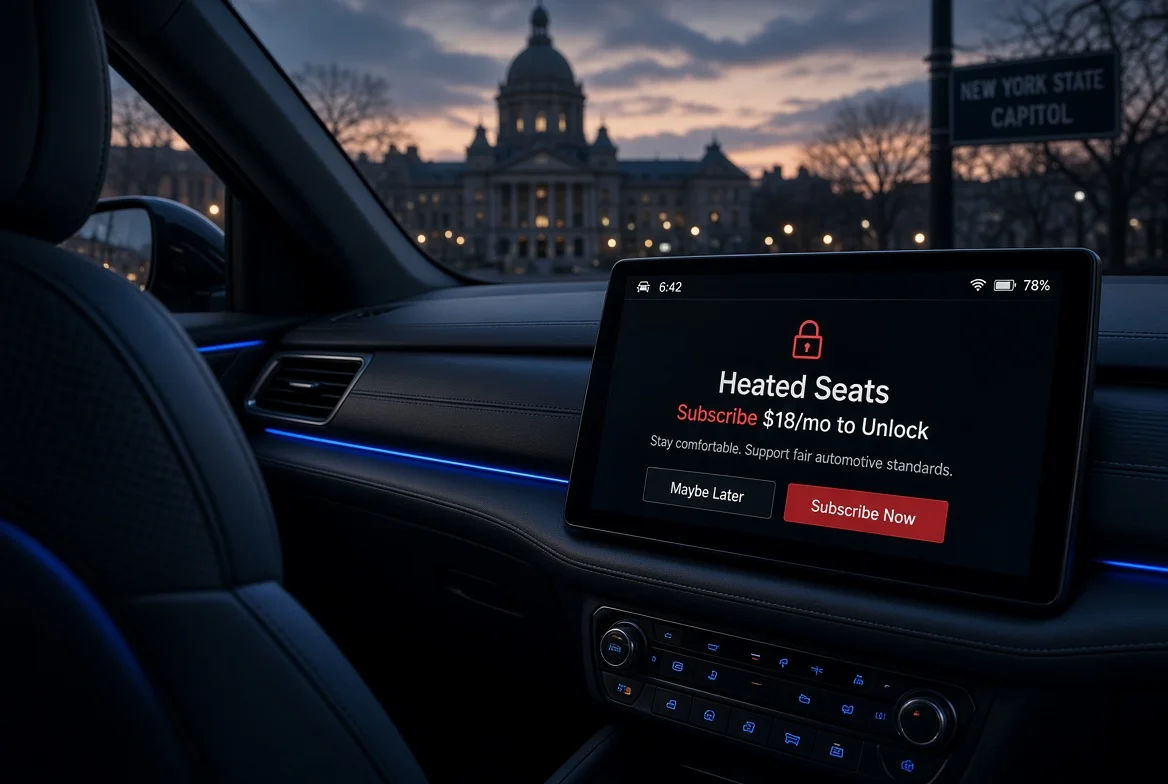
Is Help on the Way for Car Feature Subscriptions?
Last year, New York came closer than any other state to drawing a hard line against one of the most straightforward post-purchase annoyances in modern cars: charging recurring fees for hardware already installed at the factory.
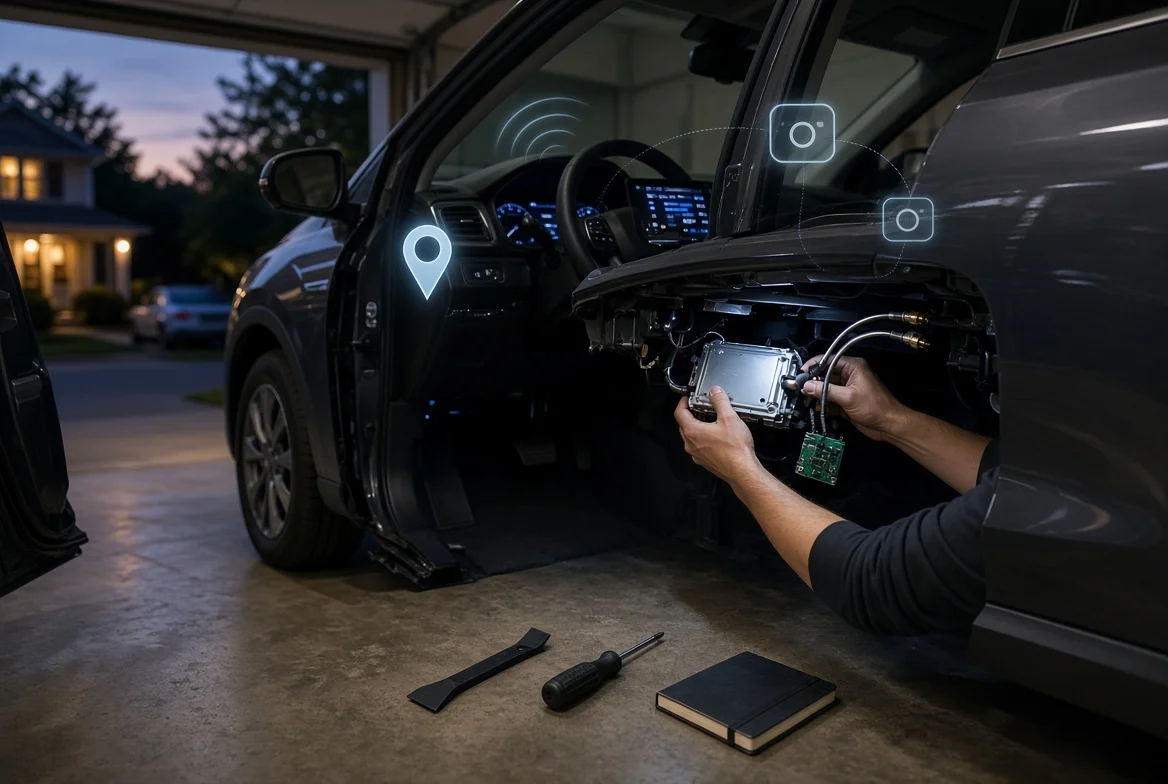
If You Care About Privacy and Subscriptions, Prepare to Get Under the Dash
Modern cars come loaded with features that used to be free or optional and are now locked behind monthly fees, always-on data collection, and systems that can’t easily be turned off. Location tracking, driving-behavior data, cabin cameras, and microphones are common. Heated seats, remote start, advanced driver-assistance functions, and even basic navigation can require ongoing subscriptions.